Eye-Health Nutrition: Food, Carotenoids, Supplements & Good Habits
A practical, non-alarmist guide to the nutritional ideas often mentioned in supplement advertising.
Begin with a healthy, varied diet
Dark leafy greens, colorful vegetables, fruits, beans, nuts, fish and other varied foods provide nutrients that support overall health. Lutein and zeaxanthin are carotenoids found in foods such as kale and spinach and are also discussed in macular research. Healthy dietary patterns are useful but cannot guarantee protection from every eye condition.
Vitamin A contributes to normal visual function and is supplied by some animal-derived foods as well as provitamin A carotenoids in orange and dark-green plants. Zinc and other micronutrients are necessary, yet high intakes from supplements can be inappropriate.
What about berries and botanicals?
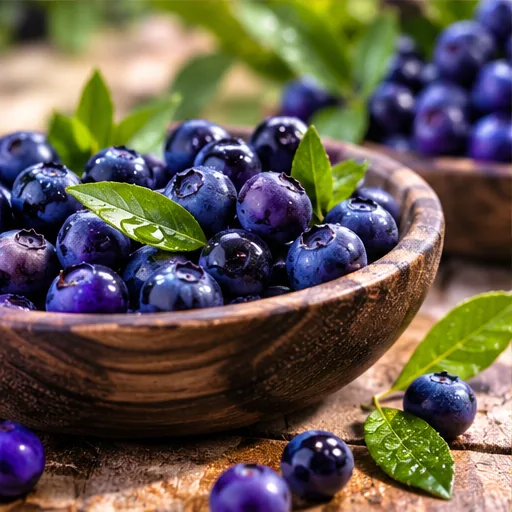
Bilberry, grape seed and saffron are often marketed as antioxidant sources. Evidence from isolated laboratory experiments should not automatically be converted into promises of clearer vision. If considering a botanical supplement, use the same evidence and interaction questions you would use for any active product.
Can better nutrition replace an eye exam?
No. Visual changes may reflect refraction errors, dry eye, cataract, retinal conditions or broader medical issues. Diet is one part of long-term wellness, not a diagnostic test or treatment plan. Regular eye examinations, advice tailored to your risk factors and prompt evaluation of concerning symptoms remain important.
Should every adult buy an eye supplement?
Not necessarily. Supplement decisions should depend on diet, medical diagnosis, clinician advice, medications and the exact formulation. For example, targeted AREDS2 supplementation is relevant to specific AMD populations, not a blanket recommendation for everyone.
A simple everyday checklist
- Include vegetables of several colors over the course of the week.
- Protect eyes from excess UV exposure with appropriate eyewear.
- Avoid smoking and discuss smoking cessation if relevant.
- Manage chronic conditions with professional guidance.
- Have new or persistent vision symptoms examined rather than relying on marketing.
What does a practical day of eye-supportive eating look like?
Instead of chasing one “miracle ingredient,” a varied food pattern might include eggs or a plant-based protein with vegetables, dark leafy greens as part of lunch, colorful fruit or vegetables for snacks, and nuts, pulses or fish if appropriate to dietary preferences. The goal is nutritional variety and overall metabolic health, not a promise that any particular meal will reverse eye disease.
Lutein and zeaxanthin from food versus capsules
Dark-green vegetables can contain lutein and zeaxanthin, and food choices offer fiber and a broader nutrient mixture that supplement capsules cannot replace. In contrast, evidence-based AREDS2 use relies on a specified supplemental mixture and dose for selected patients. Which route is relevant depends on the clinical question, not simply a marketing statement about “blue light.”
What supplements can add—and what they cannot
In some situations, specific supplements can help fill a nutritional gap or deliver a studied clinical formula. In other situations, they introduce unnecessary cost and possible interactions. Neither a broad diet recommendation nor a dietary supplement substitutes for retinal examinations, corrective lenses or management of diabetes and other conditions affecting the eyes.
A short evidence hierarchy to remember
- Clear diagnosis and clinical reason for treatment.
- Human evidence for the specific condition and intervention.
- Verified ingredient forms and doses on the actual label.
- Individual safety and medication review.
- Transparent price, return policy and realistic expectations.
Sources & verification
Sources explain ingredient research and seller-stated terms; they are not proof that this finished supplement produces the same outcomes in humans.